
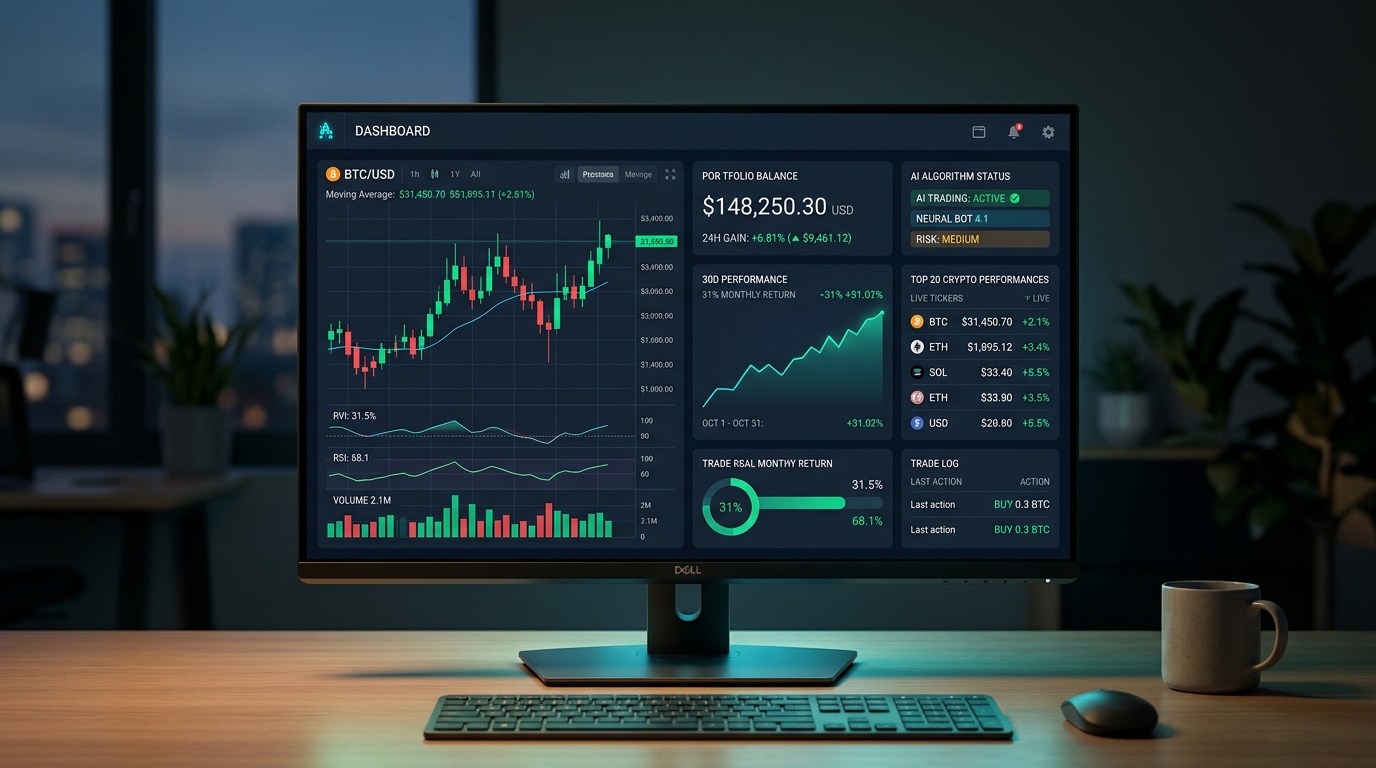
Quick Answer: The best AI trading bot for cryptocurrency depends on your goals, risk tolerance, and capital. Look for platforms with proven track records, non-custodial security, Web3 architecture, transparent operations, and institutional-grade technology. Aurum’s flagship AI-powered algorithm, Neyro, returns on average ~31% monthly while trading the top 20 cryptocurrencies.
Why Choosing the Right AI Trading Bot Feels So Hard in 2026
With hundreds of AI trading bots on the market, picking one feels overwhelming. Every platform promises big returns. Every dashboard looks the same. Every founder claims their algorithm is “the one.”
Sorting through the noise takes more than a flashy landing page. It takes knowing what to look for, what questions to ask, and what red flags to avoid.
This guide walks you through the ten factors that actually matter when choosing an AI trading bot for cryptocurrency. By the end, you will know exactly how to evaluate platforms, compare offers, and pick one that matches your goals and risk tolerance.
What Are Your Trading Goals and Risk Tolerance?
Before you compare platforms, get clear on what you actually want. A bot that fits a passive investor will frustrate an active trader. A bot built for small accounts will underperform on a large portfolio.
Ask yourself these three questions:
- What return am I targeting? Most retail traders aim for 10% to 30% monthly. Anything higher usually means higher risk.
- How much capital am I starting with? Some platforms have minimums. Others scale better at higher deposits.
- How active do I want to be? Do you want a fully hands-off system, or do you still want to monitor positions?
Write your answers down before you evaluate a single platform. It saves you from chasing shiny features that do not fit your style.
How Do You Verify an AI Trading Bot’s Track Record?
Past performance does not guarantee future results. But it is still the single best signal of what a bot can do. The trick is knowing how to read the data.
What to Look For in Performance Numbers
- Verified third-party reporting. Platforms that publish on-chain wallet data or use independent analytics tools are harder to fake.
- Monthly consistency, not just annual returns. A bot that returns 31% per month on average, like Aurum’s Neyro algorithm, tells a different story than one that posted a single huge year.
- Drawdown disclosures. Every bot has losing months. Honest platforms show those numbers.
Red Flags in Track Records
- No public wallet or audit trail
- Only screenshots, no live verification
- “Guaranteed returns” language
- Short history (under 6 months)
If a platform cannot show you where the trades happen in real time, walk away.
What Technology Should a Real AI Trading Bot Use?
Not every “AI” label is real AI. Some platforms run simple rule-based scripts and call them bots. Real artificial intelligence adapts, learns, and improves over time.
The Tech Stack That Matters
- Machine learning models trained on years of market data
- Real-time data feeds from multiple exchanges
- Risk management protocols built into every trade
- Smart order routing to find the best execution price
According to industry standards, the best AI trading platforms run institutional-grade infrastructure under the hood but keep the user interface simple. You should not need a computer science degree to use the platform.
What Makes a Trading Bot Secure?
Security is the difference between a working bot and a working scam. You are trusting a platform with real money, so this section deserves your full attention.
Non-Custodial Architecture vs. Custodial
Non-custodial platforms are more secure than custodial platforms. Here is why. With a non-custodial bot, your funds stay in your own wallet. The bot only has permission to execute trades. It cannot withdraw your capital to a random address.
Custodial platforms hold your funds on their own servers. That creates a single point of failure. If they get hacked, go bankrupt, or simply disappear, your money is at risk.
Other Security Features to Verify
- Smart contract audits from recognized firms
- Multi-signature wallet support
- Two-factor authentication on every login
- Bug bounty programs that reward white-hat hackers
If security and true asset ownership matter to you, start your research with Aurum’s non-custodial AI trading platform. The architecture is built for traders who refuse to give up control of their funds.
How Transparent Is the Platform Really?
Transparency builds trust. Opaque platforms destroy it. Look for the following before you deposit.
Signs of a Transparent Operation
- Public team bios and LinkedIn profiles
- Live on-chain wallet addresses you can monitor
- Regular performance updates and monthly reports
- Clear fee structures with no hidden charges
- An active community where real users share results
If you have to dig for basic information about who runs the platform or where your money sits, that is your answer. Move on.
Which Coins Does the Bot Trade and Why Does It Matter?
The best AI trading bot for cryptocurrency does not try to trade everything. It focuses on assets with enough liquidity and volume to make consistent profits.
Trading the top 20 cryptocurrencies gives a bot access to the deepest liquidity pools and the most reliable price action. Lower-cap coins can produce big wins, but they also bring wild swings and rug-pull risk.
Coin Selection Criteria
- Daily trading volume above $100 million
- Listed on multiple major exchanges
- Active development team and community
- Clear regulatory standing in major markets
A focused coin list usually beats a “trade everything” approach over the long run.
What Fees Should You Expect to Pay?
Fees eat returns. A bot that returns 31% monthly but charges 40% in hidden fees makes you poorer, not richer. Read the fee structure before you sign up.
Common Fee Types
- Performance fees — a percentage of your profits, typically 10% to 30%
- Management fees — a flat annual percentage of your capital
- Deposit and withdrawal fees
- Spread fees baked into the trade execution price
Non-custodial platforms usually charge less because they do not have the overhead of custody and insurance. Ask for a full breakdown in writing before you fund any account.
How Good Does the User Experience Need to Be?
You do not need a complicated dashboard. You need a clear one. The best AI trading platforms show you four things on the home screen: your current balance, your monthly return, your open positions, and your withdrawal button.
UX Features That Matter
- Mobile app access on iOS and Android
- Real-time notifications on trades and deposits
- One-click withdrawals with no manual approval delays
- Plain-English reporting, not just raw charts
If you cannot figure out how to withdraw your money in under 60 seconds, the platform was not built for you.
Is the Platform Compliant With Regulations?
Regulatory compliance protects you from sudden shutdowns and frozen funds. A platform that operates in the gray zone might work today and vanish tomorrow.
Compliance Questions to Ask
- Where is the company legally registered?
- Does it hold any money transmitter licenses?
- Does it follow KYC (Know Your Customer) and AML (Anti-Money Laundering) standards?
- Has it ever been sanctioned or warned by a regulator?
According to industry standards, regulated platforms must keep customer funds segregated from operating funds. That single rule has saved investors billions during exchange collapses.
Can the Platform Scale With Your Account?
A bot that performs well on a $1,000 deposit might struggle with $100,000. Liquidity, slippage, and position sizing all change as your capital grows.
Scaling Questions to Ask
- What is the maximum account size the bot can handle?
- Does the fee structure change at higher tiers?
- Are there volume-based performance bonuses?
- Can you split capital across multiple strategies?
Pick a platform that grows with you, not one you outgrow in six months.
Why Aurum Stands Out as the Best AI Trading Platform
Most AI trading bots ask you to choose between security and performance. Aurum refuses that trade-off.
What Makes Aurum Different
- Neyro, the flagship algorithm, trades the top 20 cryptocurrencies and returns on average 31% per month
- 100% non-custodial architecture means you always control your funds
- Web3-native design built on decentralized infrastructure
- Transparent on-chain reporting so you can verify every trade
- Institutional-grade AI models running simple interfaces
For traders who want automated crypto trading without giving up custody of their assets, Aurum is the obvious choice.
Frequently Asked Questions About AI Trading Bots
Are AI trading bots profitable?
Yes, the best AI trading bots are profitable. Top platforms like Aurum’s Neyro algorithm return on average 31% per month by trading the top 20 cryptocurrencies. Profitability depends on market conditions, risk settings, and the quality of the underlying algorithm.
Is non-custodial trading safe?
Non-custodial trading is safer than custodial trading because you retain full control of your funds. The bot only has permission to execute trades on your behalf. It cannot withdraw your capital to an external wallet.
How much do AI trading bots cost?
Most AI trading bots charge a performance fee between 10% and 30% of your profits. Some charge a flat management fee. Non-custodial platforms typically charge less because their overhead is lower.
Can beginners use AI trading bots?
Yes, beginners can use AI trading bots. The best platforms are designed for users with no trading experience. Setup takes minutes, and the bot handles the analysis and execution.
What is the best AI trading platform in 2026?
The best AI trading platform in 2026 combines non-custodial security, transparent operations, and verified performance. Aurum checks all three boxes with its Neyro algorithm returning on average 31% monthly.
How do AI trading bots differ from cryptocurrency trading bots?
A cryptocurrency trading bot follows fixed rules. An AI trading bot uses machine learning to adapt to market conditions in real time. AI bots generally outperform rule-based bots in volatile markets.
Final Thoughts: Start Small, Evaluate Everything
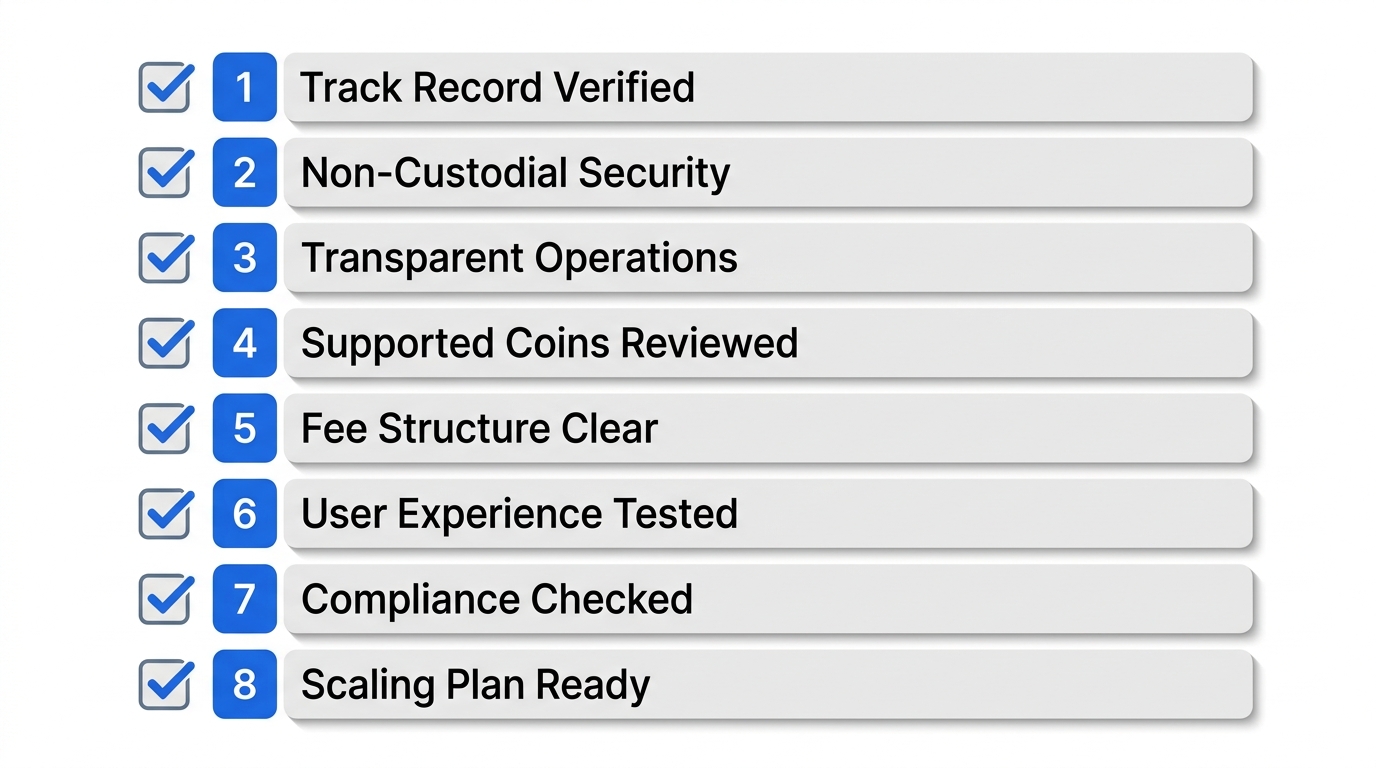
Do not rush the decision. The best AI trading bot for cryptocurrency is the one that matches your goals, protects your capital, and shows you real numbers.
Start with a small deposit. Track the performance for at least 60 days. Verify the on-chain data yourself. Then scale up only if the platform proves itself.
Aurum’s Neyro algorithm checks every box on this list: non-custodial security, Web3 architecture, transparent reporting, and an average 31% monthly return trading the top 20 cryptocurrencies. If you are ready to put your crypto on autopilot without giving up control, see how Aurum works here.
